Realistic Mode
No narration, no asterisks — just messages. Realistic Mode is for companionship and ordinary conversation, and it is the mode most relationships on Wollo actually live in.
How was your day? I've been thinking about you 💜

Wollo Scenes turn a chat into interactive AI stories: a custom background, an atmosphere and a branching story AI can play through to more than one ending. Drop a character into one of these AI roleplay worlds and the setting does half the work you would otherwise describe by hand.
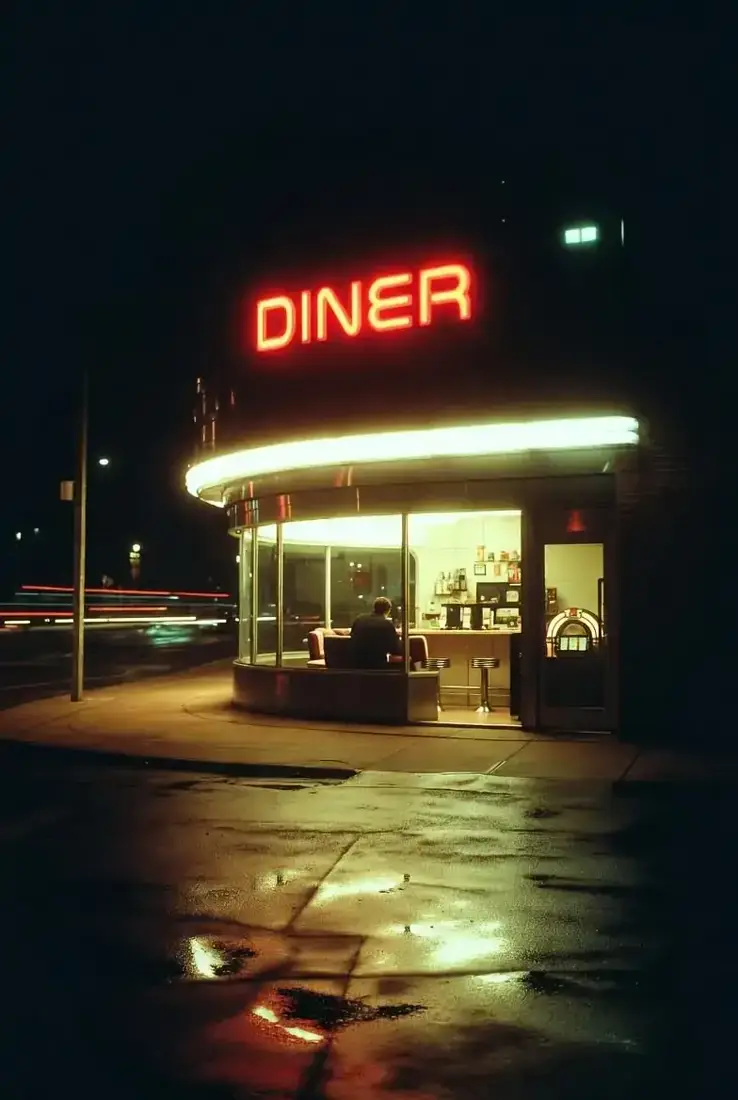
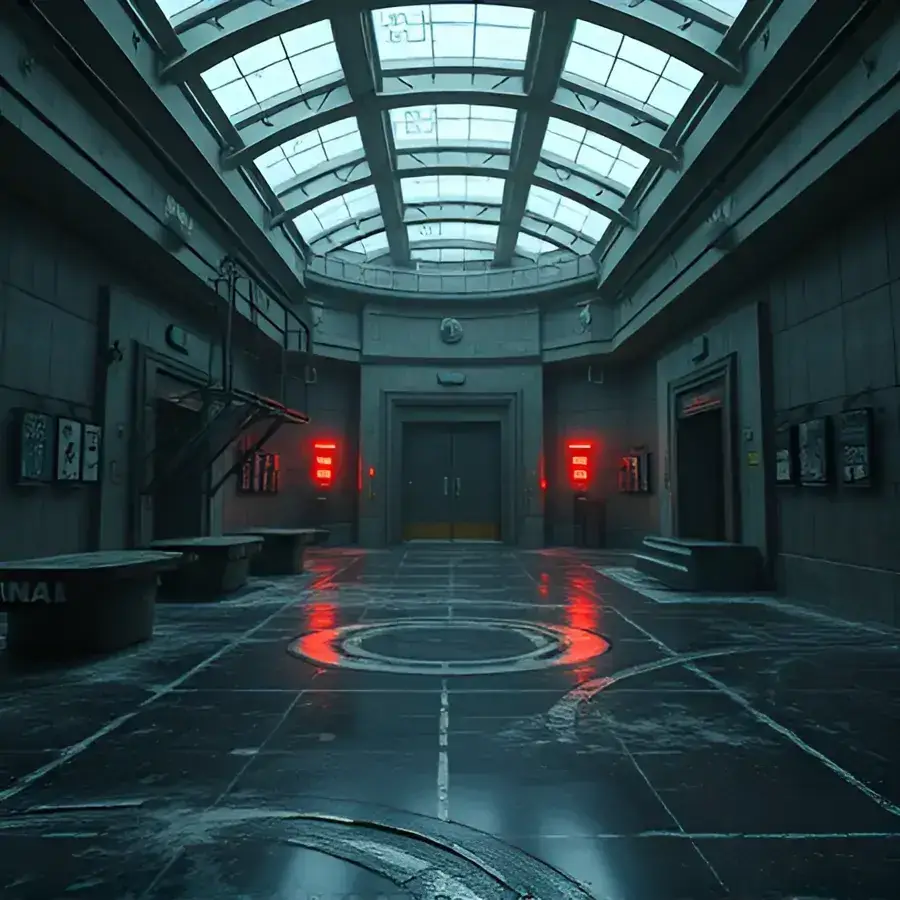

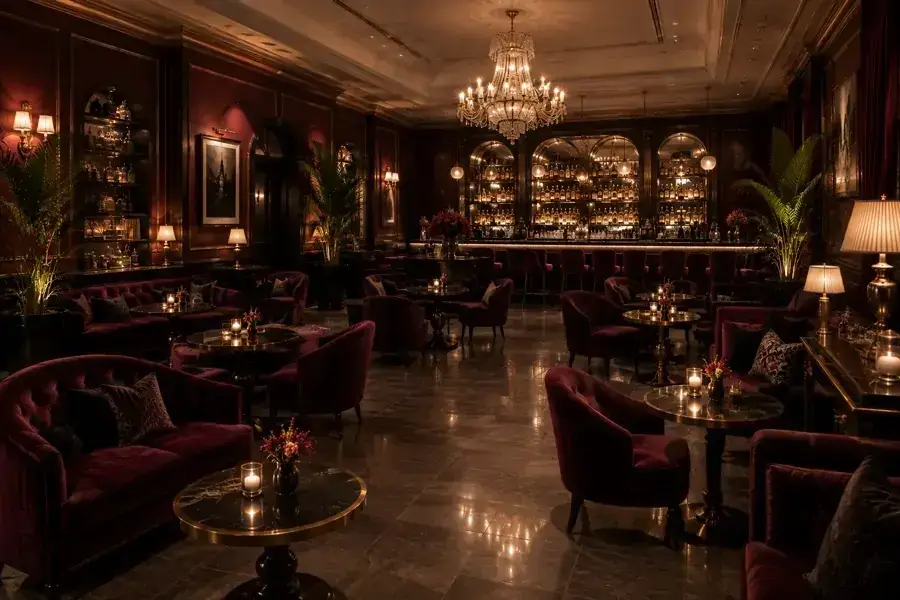
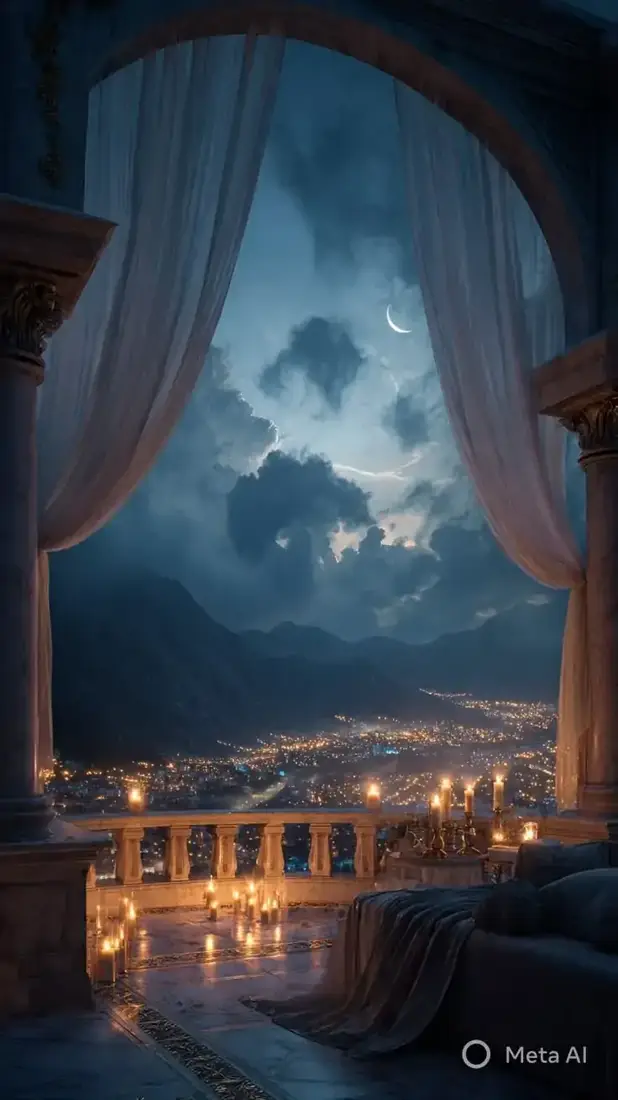
The obvious part is the background. The part that changes how a session goes is everything around it: the atmosphere setting, the scenario the Scene starts from, and the storyline that determines where it can go.
Because a Scene is reusable, it is also the unit creators build their tiers around — the same setting can be replayed with different characters, and premium Scenes can be locked for subscribers.
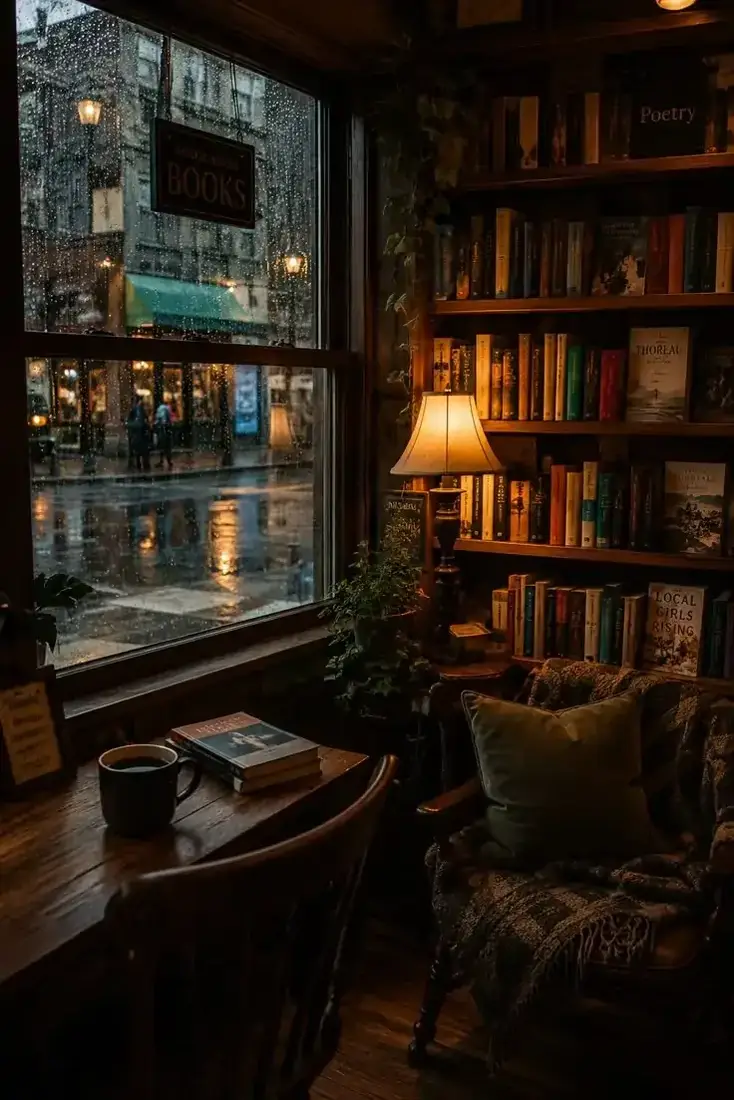
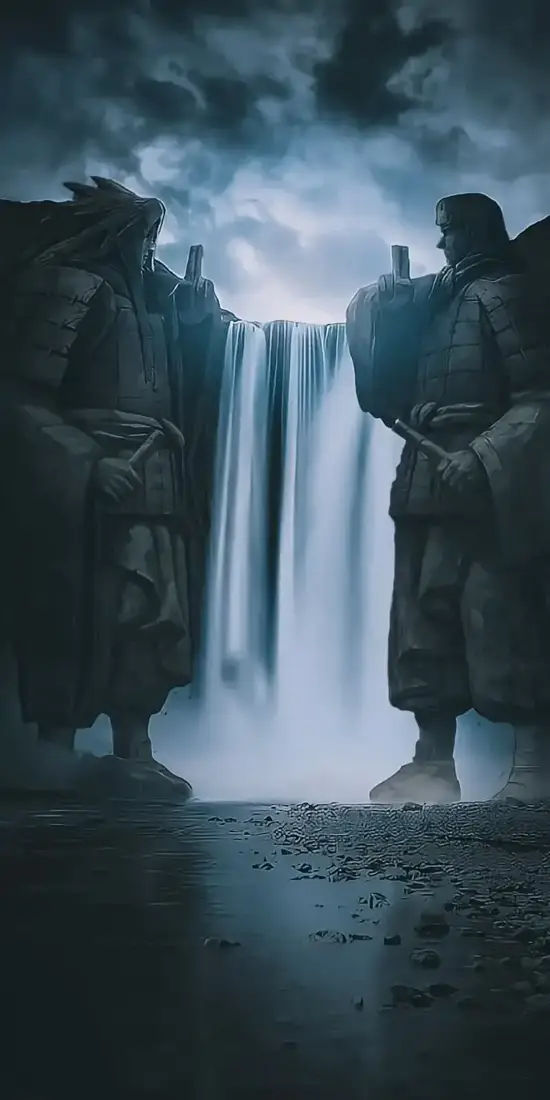
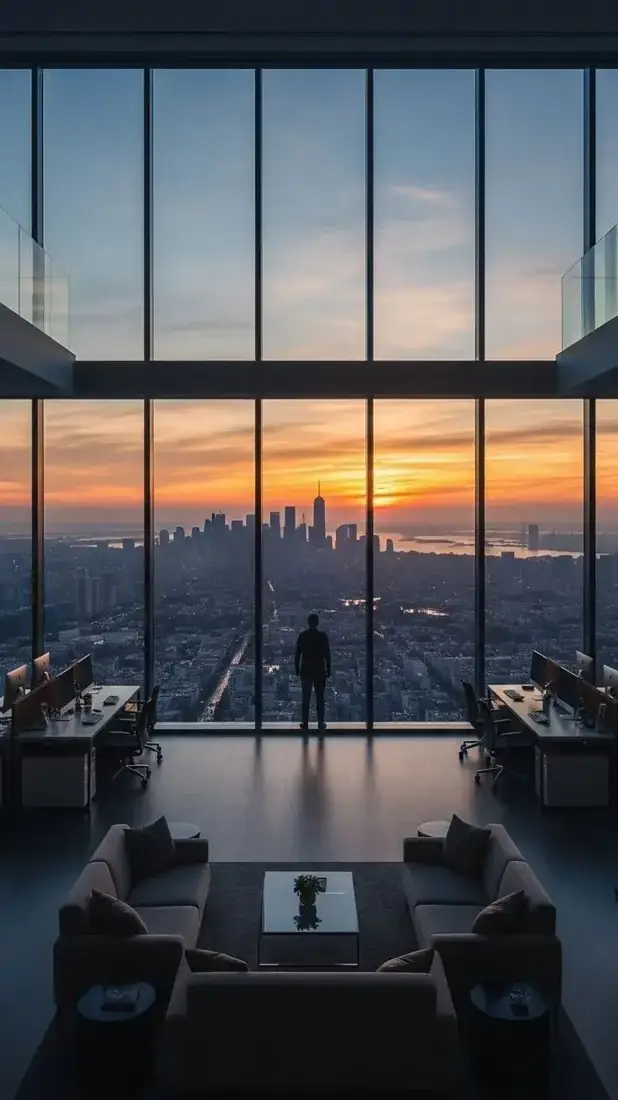
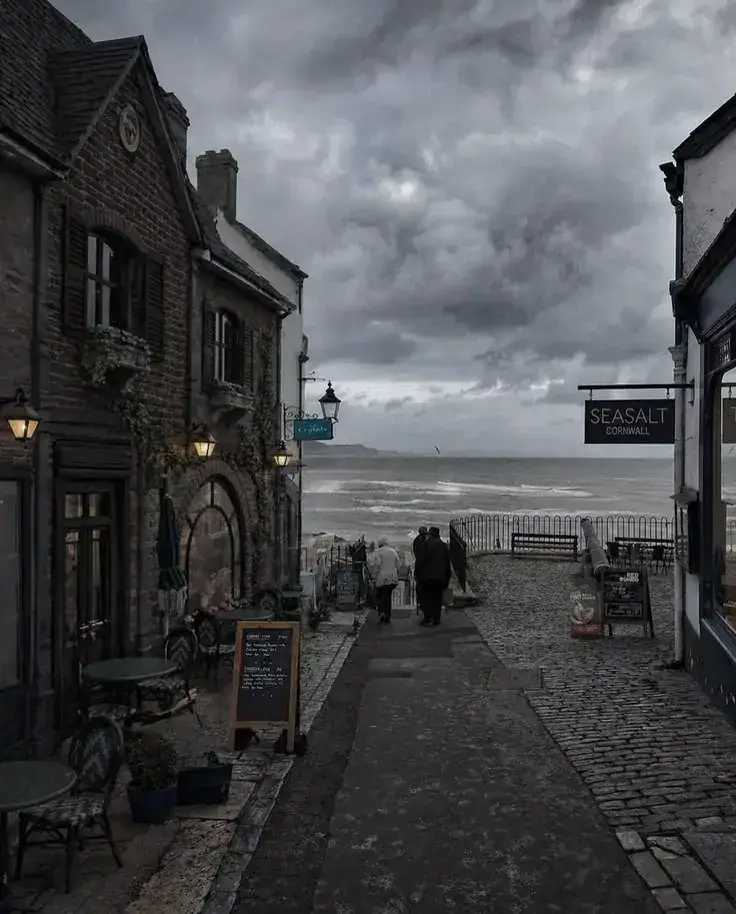
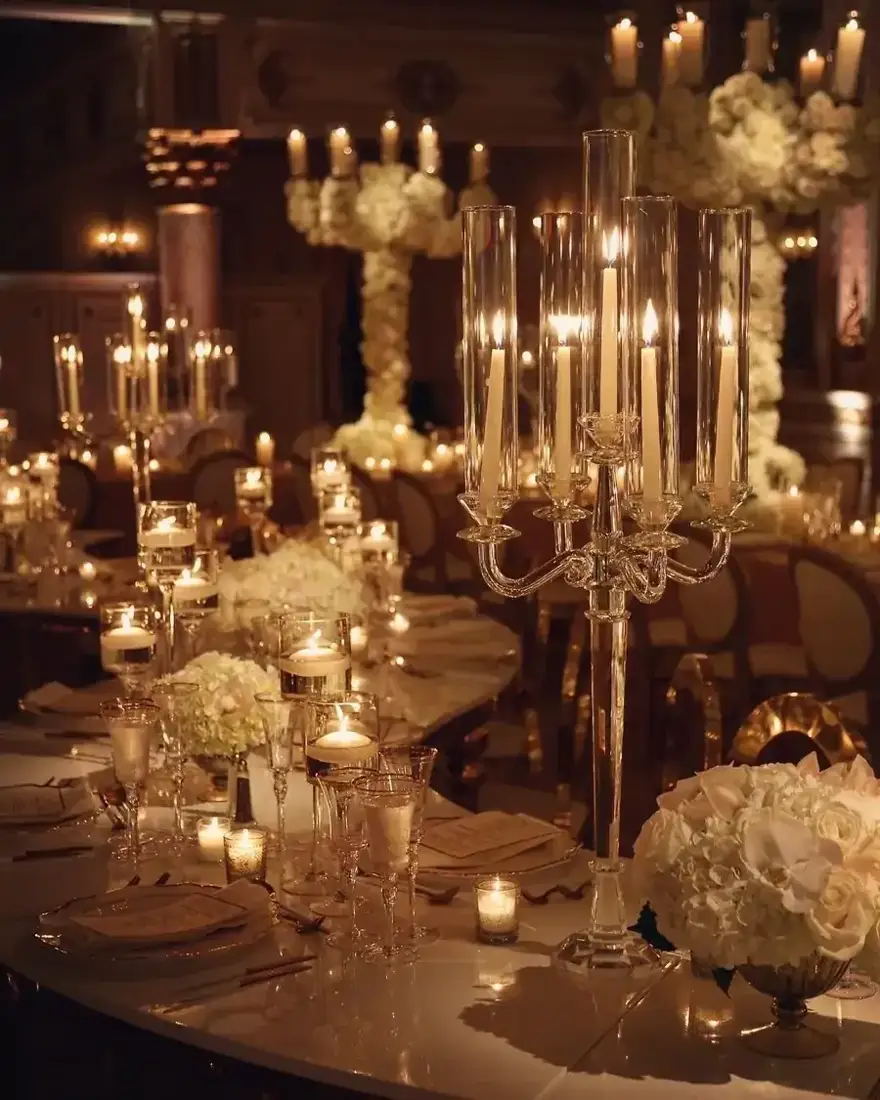
The showcase runs across romance, sci-fi, fantasy and adventure — a midnight café, a space station, an enchanted forest, a beach at sunset. These are the kinds of places people build.

No narration, no asterisks — just messages. Realistic Mode is for companionship and ordinary conversation, and it is the mode most relationships on Wollo actually live in.
How was your day? I've been thinking about you 💜
Actions, setting and description carried in the reply. Roleplay Mode is built for adventures and scenarios where what happens matters as much as what is said.
*leans closer, eyes sparkling* The ancient map reveals a hidden path…
Chapters rather than messages. Story Mode suits writers: you and the character build a narrative in turns, and the thread holds its own structure.
Chapter 3: The mist parted to reveal an ancient castle…
Branches that differ only in wording are not branches. The ones that work hinge on something the player can actually get wrong — a trust, a refusal, a door taken instead of a window.
A Scene with one destination is a mood board. A Scene with three is something someone comes back to with a different character to see what changes, which is exactly the behaviour a creator wants from a premium Scene.
Setting the atmosphere costs one field and saves you writing the same paragraph of scene-setting at the start of every session. It is the least glamorous setting in the editor and the one that most changes how a Scene reads.
Playing a Scene does not reset the relationship — a character you have known for weeks brings that history into the setting, and takes what happened in it back out again.
Pre-built Scenes exist so you do not have to design a setting to try the format. Take one, change what bothers you.
Upload or generate the background, then set the mood. This pair does the work that would otherwise be a paragraph of prose every session.
The scenario the Scene opens from, and the branches it can take. Multiple endings are supported and are what make it worth replaying.
Publish it to the community, keep it private, or restrict it to your subscribers as a premium Scene.
AI story mode on Wollo is not a longer chat. It is a different structure, and it rewards being treated as one.
A chat thread is a wall you scroll. A chapter has a beginning and an end, which means you can stop somewhere deliberate and pick up later without re-reading forty messages to remember where you were. For long narratives that structure is the entire difference.
In collaborative storytelling AI the character contributes plot as well as dialogue. Your turn sets direction; its turn develops it. People who write get more out of this mode than people who are looking for a conversation, and that is by design.
A Scene supplies the setting and the branches; Story Mode supplies the structure. Together they make interactive AI stories that can be replayed with a different character and land differently — which is exactly why creators lock the good ones for subscribers.
A well-built Scene is an asset. The same AI roleplay world can host a dozen different stories with a dozen different characters, and the atmosphere settings mean none of them need the scene-setting paragraph you would otherwise write every time.
If every session starts with a paragraph establishing where everyone is, a Scene removes that permanently. The background and atmosphere carry it, and Roleplay Mode picks up from there.
Story Mode plus a Scene is the closest the platform gets to a writing environment: a fixed setting, a storyline that can branch, and chapters instead of a scrolling wall.
A shared setting is what makes a Group Chat feel like a session rather than a crowded inbox. Several characters and several people, one place, one storyline.
Scenes are reusable, so a good one keeps earning. Locking premium Scenes for subscribers is one of the more effective things a creator can do.
Backgrounds get all the attention because they are visible. Atmosphere is the setting that actually changes how a Scene plays, and it is the one most people leave on default.
Without it, every session opens with you establishing the mood by hand: it is late, the place is half empty, nobody is in a hurry. Set once at the Scene level, that framing persists — and the character's replies are shaped by it from the first line rather than the fifth.
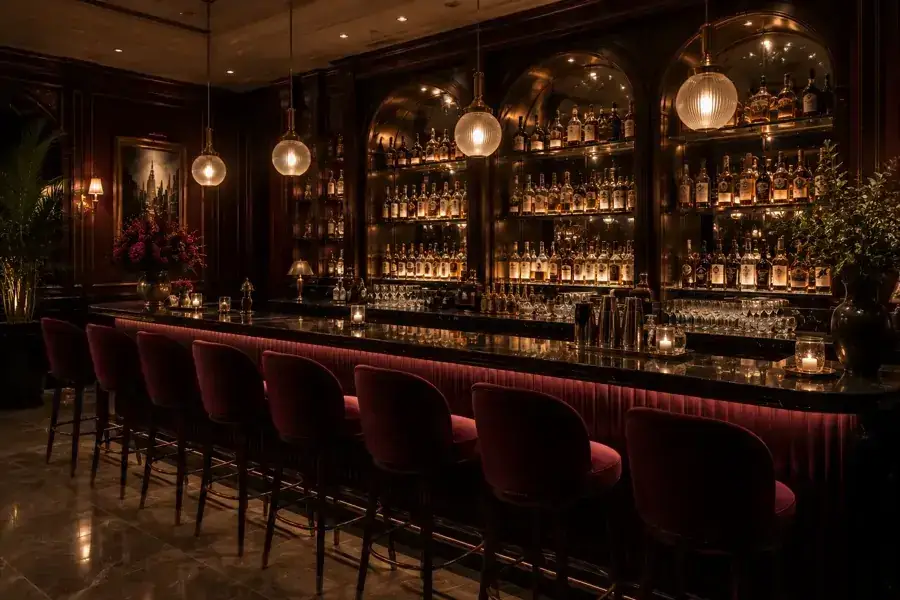
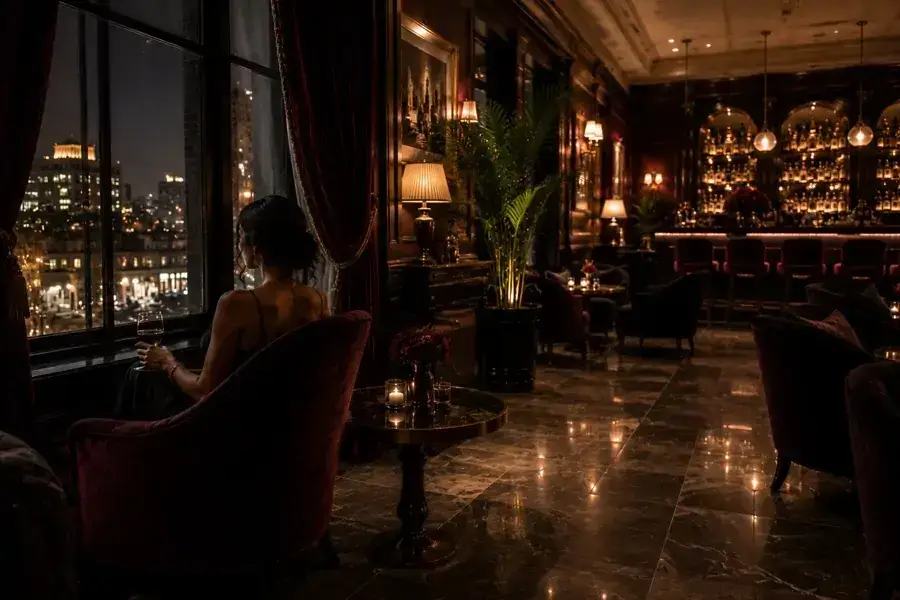
A bar at closing time and a bar at its busiest are the same background and two completely different Scenes. Publishing both is a legitimate way to double the value of one piece of art, and readers treat them as separate places.
A tense atmosphere pushes toward Roleplay Mode; a quiet one invites Realistic. Getting this alignment right is why some Scenes feel effortless to play and others fight you the whole way.
Because atmosphere sits above the storyline, every branch and ending is coloured by it. That is what keeps a Scene with several endings feeling like one place rather than three unrelated scenarios stapled together.
If you are deciding whether Scenes are worth the effort, the honest test is repetition. Any setting you have described by hand more than twice should be a Scene — the time you spend building it once is recovered within a week, and everything after that is free. The same logic is why creators build Scenes before they build more characters: a character earns from the people who like that character, while a Scene earns from everyone who plays anything inside it.
A picture and nothing else. The atmosphere setting is what stops every session opening with the same paragraph of scene-setting prose, and it takes one field.
Two paths that differ only in wording are not a branch. A branch needs something the player can get wrong — a trust given, a door taken, a refusal.
A Scene with a single destination is a mood board. Multiple endings are the reason someone replays it with a different character, which is the whole value of a reusable setting.
Scenes built around one very specific character stop working the moment somebody brings their own. The strongest ones describe a place, not a plot for one cast.
A Scene meant for chapters plays badly in Roleplay Mode and the reverse. Decide which mode it is for and write the opening scenario accordingly.
Premium Scenes work when there is already a reason to subscribe. Locking your first one hides the thing that would have earned you the audience.
Scene creation, templates, publishing and playing all happen on wollo.ai. Every link on this page opens the platform, and nothing on this site takes an account or a payment.
Scenes and character artwork get lifted onto sites the Wollo team does not run, sometimes wrapped in an accurate description of the format. A Scene you build belongs to your account on wollo.ai — if a page asks you to sign in somewhere else to make or play one, it is not connected to the platform and whatever you make there will not be in your library.
Scenes are settings you play inside instead of a blank chat: custom backgrounds, atmosphere settings and storylines. You drop a character into a Scene and the conversation happens somewhere.
The showcase runs across romance, sci-fi, fantasy and adventure — from a midnight café to a space station, an enchanted forest or a beach at sunset.
Yes. Scenes support branching storylines with multiple endings, so the same setting plays differently depending on the choices made.
No. There are pre-built templates for quick starts, and you can customise backgrounds and atmosphere from there.
A chapter-by-chapter collaborative writing mode: you and the character build a narrative in turns rather than exchanging messages.
Roleplay Mode carries actions and description inside the reply for scene-driven play. Story Mode structures the whole thing as chapters, which suits longer narratives and writers.
Yes — your own or ones published by the community.
Yes. Creators can lock premium Scenes for subscribers as part of their tiers.
Group chats put several characters and people in one thread, so a Scene can be played as a party rather than solo.
Voice calls run at 200ms latency across the platform, in the voice a character was given.
Browsing and playing are free apart from creator-locked premium Scenes and generation, which uses the token Wallet.
On wollo.ai — Scene creation, stories and templates all live there.
Yes, if it is published. Community Scenes can be played with your own characters, which is why a well-built one keeps earning its creator attention.
Two or three that genuinely diverge beats six that differ in wording. Each ending should be reachable by a decision a player could plausibly make.
Yes — Scenes run in the browser like the rest of the platform, on phone and desktop alike.
Yes. Backgrounds, atmosphere and storyline stay editable, and changes apply to new sessions without breaking existing relationships.
Templates to start from, custom backgrounds when you want them, and endings that are worth going back for.